
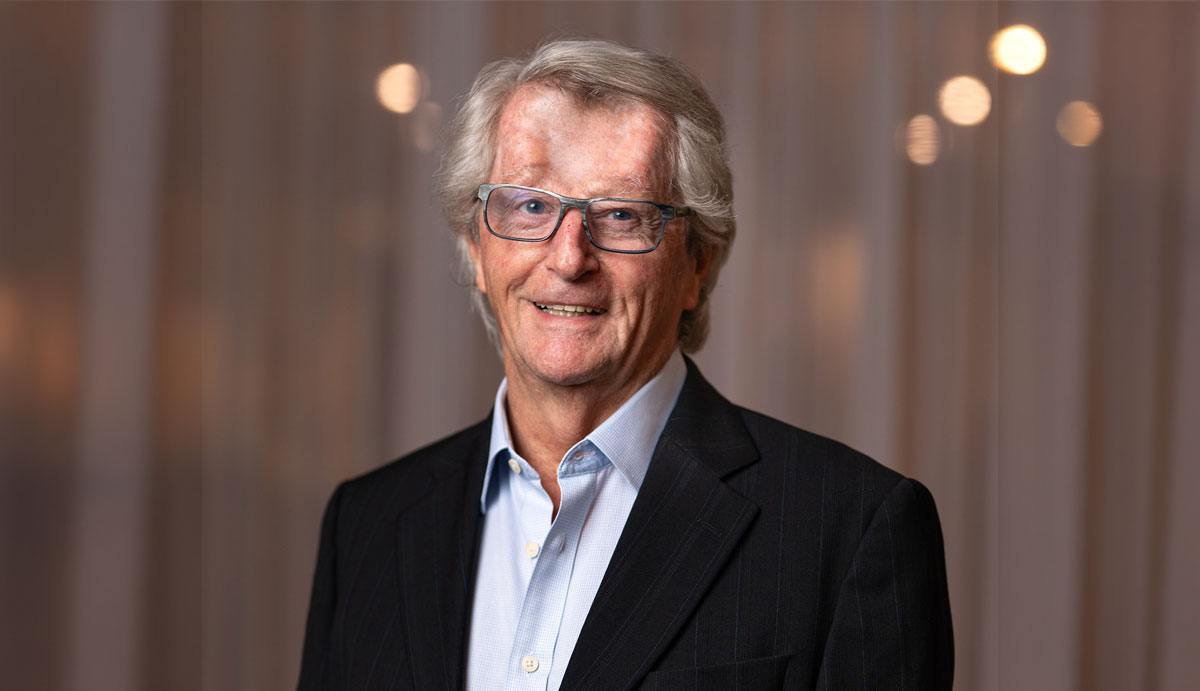
26 Jun Interview with Egon von Foidl, Chairman of SHATA and Managing Partner of IPH
Tourism has increasingly been discussed as a potential strategic pillar of Suriname’s economy, particularly in the context of diversification and sustainable growth. How would you describe the current state of tourism in Suriname and how competitive is the country as a destination at the regional and international level?
For more than 20 years, Suriname’s tourism promotion has focused primarily on the Dutch market, which felt familiar and accessible. When we took over SHATA in January 2025, we introduced a more global perspective. We believe Suriname must position itself internationally, and that is the approach we are pursuing in 2026. One way we are doing this is by working with international influencers. In the past year, we hosted creators from China, the United States and Italy — including one with more than 6.5 million followers — helping to showcase Suriname to a global audience.
We are also prioritizing major trade shows such as World Travel Market in London and ITB Berlin. Earlier this year, SHATA did not attend Vakantiebeurs because the Ministry of Tourism was already represented by a delegation. We see strong potential for tourism in Suriname, particularly in niche and sustainable segments that respect the country’s unique ecosystem. Investment is currently concentrated in Paramaribo, driven partly by growth in the oil and gas sector and the resulting demand for hotel rooms, which exceeds current supply.
The country recently welcomed the Radisson Hotel with 126 rooms, alongside an existing Courtyard by Marriott. Two additional Marriott projects are in development, with 168 and 180 rooms. A Holiday Inn at EAG Airport is fully designed and expected to begin construction soon, while a Wyndham Garden Inn at the international airport, with 84 rooms, is in its final stage. By the end of 2028, we expect four to five new hotels to add roughly 700 rooms to the market.
Beyond the city, resort development in the hinterland is also progressing, with upgrades underway at several established properties. Suriname is well positioned to attract higher-end, nature-focused travelers. Agro-tourism, in particular, represents a promising opportunity given the country’s natural resources and available land.
As the main private sector representative body, SHATA carries both advocacy and coordination responsibilities within the tourism industry. What are SHATA’s key obligations toward its members and the wider economy, and which concrete projects or priorities are currently guiding the association’s work?
We are involved across many areas — from aviation and tourism marketing to hospitality training. It has a broad scope, as SHATA is the only association in the country working daily on the development of tourism in Suriname.
Tourism development often depends on effective cooperation between public authorities and private operators, particularly in smaller and emerging markets. What do you see as the main structural challenges facing tourism in Suriname and how can public private cooperation help address them?
We work closely with several ministries, including the Ministry of Transport, Communication and Tourism, the Ministry of Foreign Affairs and Ministry of Justice and Police, because each of them affects tourism in different ways. We have a strong and constructive relationship with the government. Suriname is often recognized for its natural environment, cultural diversity and unique position in the region. To grow tourism sustainably, we must offer more than nature alone. We are exploring complementary developments such as high-quality golf courses and spa experiences that reflect Surinamese character while maintaining our environmental priorities.
Our goal is to position Suriname globally as a nature destination, similar to Costa Rica, while protecting the ecosystem. For example, we would not support large-scale hotel construction in the hinterland. Any development must fit the environment and remain sustainable.
International hotel management companies play a central role in shaping service standards, investment flows and market confidence in emerging tourism destinations. How does Interamerican Promo Hotels (IPH) operate within Suriname’s hospitality sector and what role does it play in connecting international brands with the local market?
Interamerican Promo Hotels (IPH) is currently the only hotel management company in Suriname. We began nearly 20 years ago by bringing the Courtyard by Marriott franchise to the country. More recently, we supported the opening of the Radisson Paramaribo downtown and are working with other international brands such as Holiday Inn, Wyndham and Hilton. Our goal is to bring recognized global hotel brands to Suriname and support the development of the hospitality sector.
Globally recognized hotel brands often need to balance standardization with adaptation to local economic and cultural conditions. How does the Courtyard by Marriott Paramaribo and Radisson Hotel Paramaribo align global brand requirements with local realities and what impact does this have on guest experience?
A typical Courtyard hotel usually has limited capacity and one restaurant serving breakfast, lunch and dinner. About 10–12 years ago, we realized how important local demand was. We adapted by expanding our food and beverage offering. Today, we operate five restaurants instead of one, serving everything from premium beef and sushi to pizza, along with the newly opened Zikiri Beach Bar. At the Radisson Hotel we operate Rumors Bar & Grill, the Peruvian Fusion Restaurant Sazon and Puro Café.
What recent projects, renovations or operational changes have been implemented at the Courtyard by Marriott Paramaribo and Radisson Hotel Paramaribo and how do these investments support the hotel’s long-term positioning in the market?
In 2025 at Marriott, we completed a full renovation of all guest rooms. This year, we will begin a complete renovation of all public areas, including the lobby, bar, meeting and ballroom as well as the indoor restaurant and kitchen. The total investment in renovations is $9.5–10 million. The Radisson Hotel completed its full renovation from the former Hotel Krasnapolsky to a 4 star Radisson Hotel in October 2025
Suriname is entering a period of increased international attention, driven in part by energy developments and rising business travel. What investments or expansion plans are currently being pursued through IPH and its managed properties to respond to this evolving demand?
We are involved in new hotel projects because our discussions with the oil and gas sector give us a clear view of future demand and capacity needs. By 2029, Suriname will need around 2,000 hotel rooms. Today, the country has about 900 rooms, with 650–700 more in development. We are also working with investors on two or three additional hotels to help reach that target. Increasing room capacity is a key priority.
How important are partnerships with local stakeholders, international brands and service providers in strengthening the overall hospitality ecosystem?
Because Suriname is a small country, we prioritize local content whenever possible. However, in areas where local capacity is limited, we work with partners from China, the United States and Canada. This requires collaboration with companies from several countries.
Looking ahead, what message would you send to international investors, hotel brands and partners considering Suriname?
Feasibility studies show strong demand from the oil and gas sector, which is driving growth in tourism and hospitality. Hotel occupancy rates are above 80%, with average room rates exceeding $200, making the investment case very attractive. Investors typically ask about available land. We currently have more than ten land opportunities we can present. Investors can partner with a local company or develop independently. We support the entire process — from land acquisition and franchise selection to architecture, development, opening and ongoing management.
No Comments