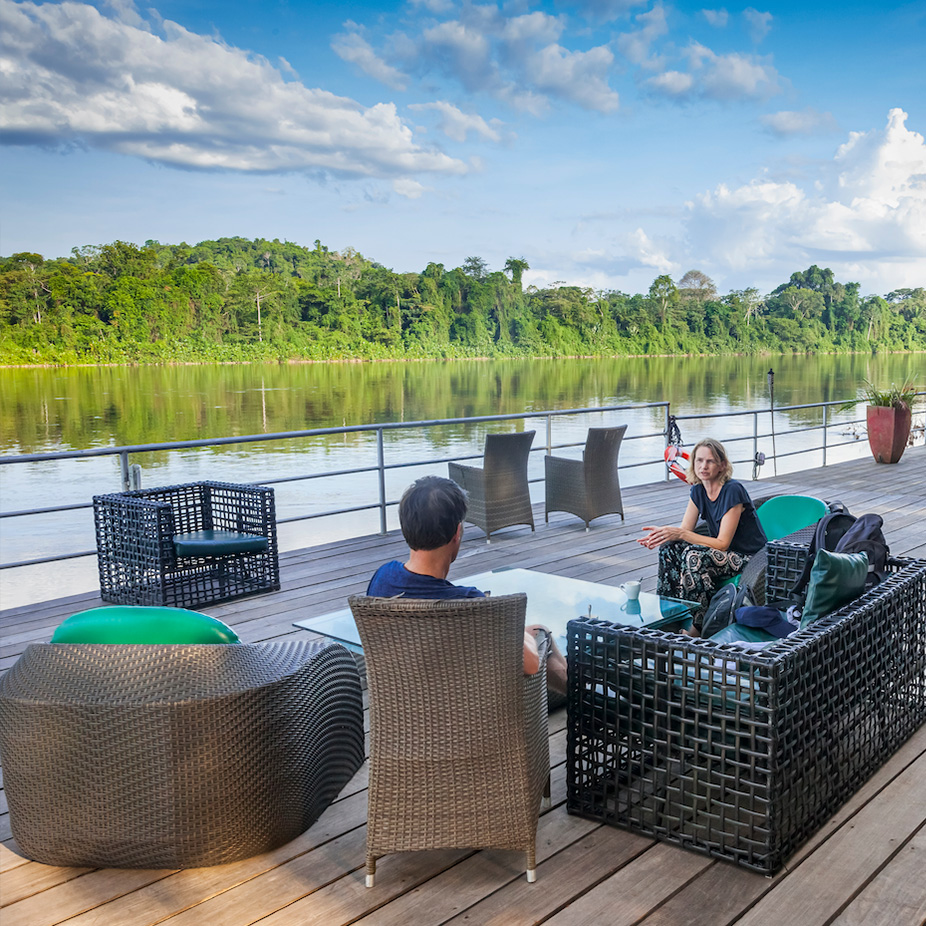
South America’s roaring tiger economy
Suriname is emerging as a compelling new investment frontier following a successful IMF turnaround. By March 2025, the country had reversed a deep contraction — lifting growth from -16% to 3% — and restored macroeconomic stability. President Jennifer Geerlings-Simons’ newly elected government is now recalibrating fiscal policy to attract multibillion-dollar investment tied to vast offshore resources. A major milestone came in October 2024, when TotalEnergies and APA Corporation approved the GranMorgu development in Block 58,
expected online in 2028 — echoing the offshore boom that made neighboring Guyana the world’s fastest-growing economy. The USA remains a key partner, with the Trump administration reaffirming its commitment through Secretary of State Marco Rubio’s April 2025 visit, which highlighted U.S. investment as a top priority. Tourism is also gaining traction, with revenues projected to reach $125 million by 2028, driven by eco-tourism and cultural travel rooted in the country’s rich multiethnic heritage.
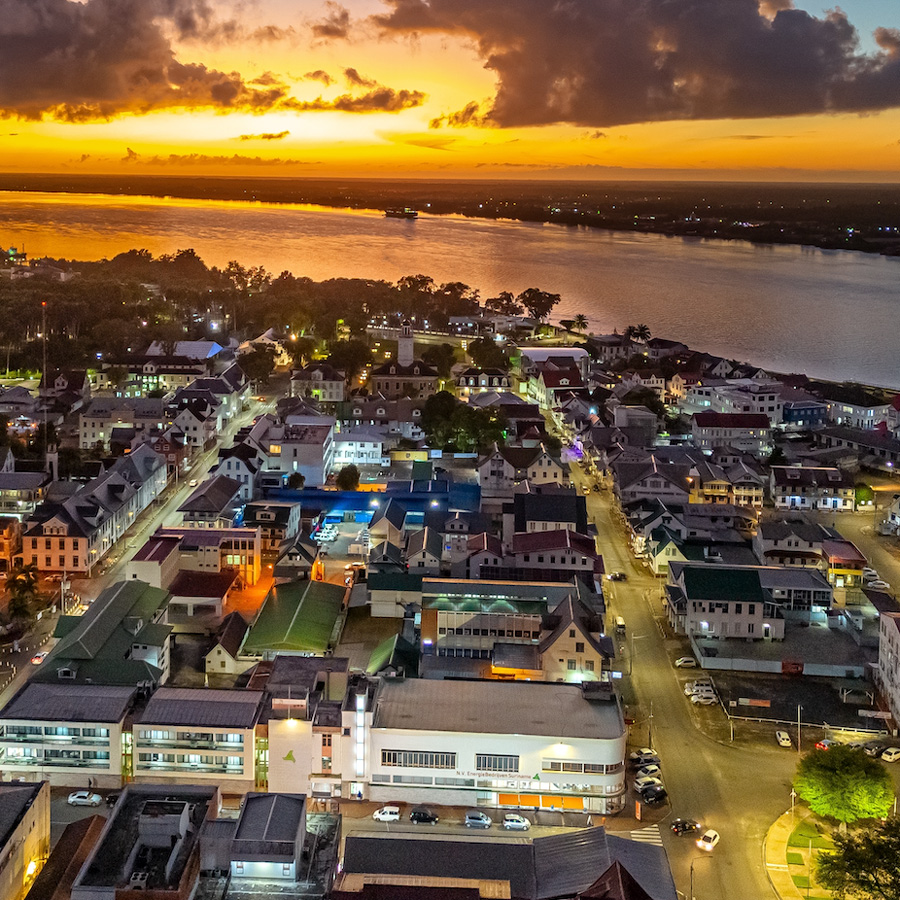
Suriname-US Partnership
Suriname and the US maintain a “constructive and deep-rooted” partnership, significantly strengthened by a shared interest in regional security and the burgeoning energy sector. In July 2025, the country elected its first female president, Jennifer Geerlings-Simons, and she was congratulated by Secretary Rubio and was listed as one of Time’s most influential climate leaders. Rubio also visited Suriname in March 2025 as part of a regional tour.
The US has a keen interest in Suriname’s massive offshore oil and gas discoveries, with firms such as Chevron and APA Corporation (formerly Apache) having significant stakes in the country’s offshore blocks.
Miami is home to the highest number of Surinamese outside the country, after the Netherlands, with as many as 3,500-4000 people from Suriname or who have Surinamese heritage.
A new energy giant is born
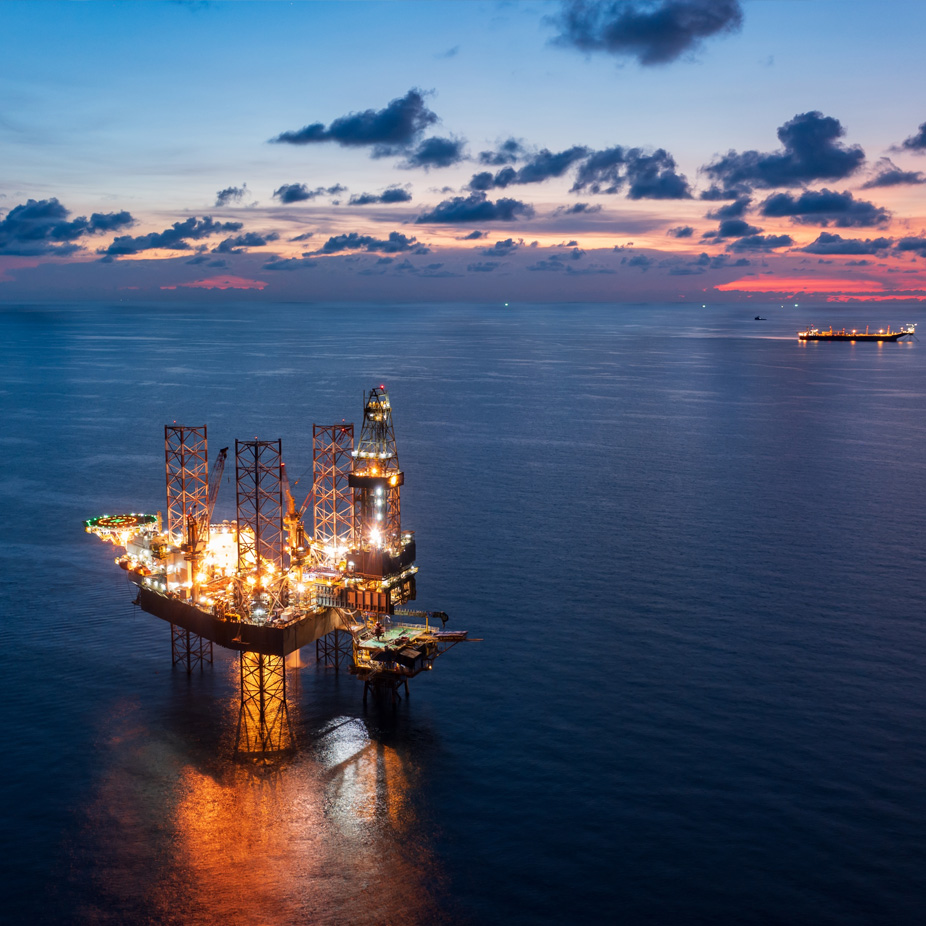
French supermajor, TotalEnergies, has found 760 billion barrels of oil offshore Suriname and made a final investment decision in October 2024 to invest $10.5 billion to bring the project to life. The project is a 50:50 partnership with Houston-headquartered APA Corporation. The project, with numerous others also in development, is expected to transform Suriname’s economy, just like neighboring Guyana has been experiencing since 2020.
Unlike Guyana, however, Suriname’s economy has been based on natural resources and extraction for decades, with gold, aluminum and timber all being mainstays of the country’s exports. State-owned national oil company, Staatsolie, has owned and operated a refinery in the country since the 1990s, so the country is more prepared than most to handle the windfall that oil is expected to provide.
Diversification and service-driven opportunity
Despite first oil from TotalEnergies’ GranMorgu block expected in 2028, Suriname has made it absolutely clear that it will not be abandoning its environmental credentials, nor will it become dependent on oil. Being the most forested country in the world and one of only three carbon negative countries in the world, which absorb more CO2 than they emit, the president has made no secret of her desire to maintain at least 90% forest cover and, through eco-tourism opportunities, create value from the rainforests.
Not only is oil money intended to boost tourism and connectivity, the government also wants to promote agriculture, with large tracts of available land and fertile soils currently underutilized. It also hoped that oil profits could delay, or maybe even avoid, large-scale, destructive mining projects altogether.
Expanding digital and physical connectivity
Small and medium enterprises make up almost 90% of Suriname’s business landscape and enhancing the ease of doing business is one of the highest priorities for the government. It has had several consultations with the Inter-American Development Bank and ministries now work together more than before, such as the Ministry of Economic Affairs, Entrepreneurship and Technological Innovation coordinating with the Ministry of Transport, Communications and Tourism for policy harmonization.
Although there is currently no nonstop flight from the US to Suriname, this is expected to change soon due to economic conditions and the government is actively lobbying major US airlines to resume flights to Paramaribo. The Suriname Hospitality and Tourism Association is also pressing hard for better connectivity to spur growth in the wider economy and US airlines are expected to conduct supply and demand reviews in 2026.

Agribusiness and the bio economy
As part of the country’s determination that it does not become dependent on oil revenues, agriculture is one of the major industries being pushed by the government and by the investment promotion agency. The country has made flour for many years and is now expanding into beef too, utilizing its membership of the Caribbean Community to process Brazilian beef and export to Caribbean countries duty-free.
There are significant opportunities to be made in investments into livestock, rice, cassava and potatoes. Peppers are also an important crop and both sweet and hot peppers are an integral part of Surinamese diets, with many dishes featuring Indonesian flavors, thanks to the Javanese population of the country. The sector accounts for 10% of export earnings and 8% of the workforce but it can grow much higher.
Tourism and eco-adventure travel
Tourism and eco-tourism are the potential sleeping giants of Suriname’s economy. With the Amazon rainforest barely an hour’s drive from Paramaribo, the opportunities for hiking, tenting and wildlife spotting are vast. The center of Paramaribo is a UNESCO World Heritage Site, thanks to its preservation of historic Dutch buildings and Suriname’s history is fascinating, being a melting pot of peoples from all over the world.
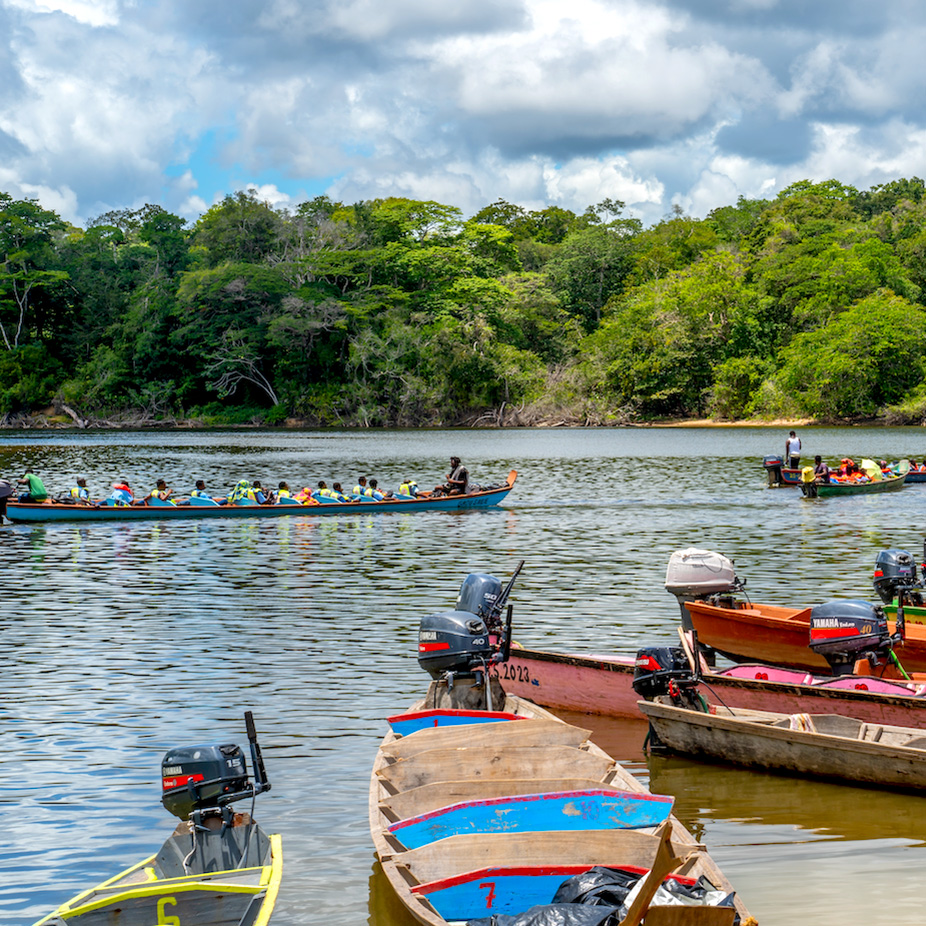
There are numerous communities in the interior of Suriname offering guesthouses and tours of the jungle, the country is the location of Jodensavanne – the first Jewish settlement in the Americas – and former cocoa, sugar and coffee plantations have been transformed into boutique hotels. All of these locations can be catered by the plentiful local dishes of Suriname, with influences from the country’s African, Indian, Chinese, Indonesian and European populations all making their mark.