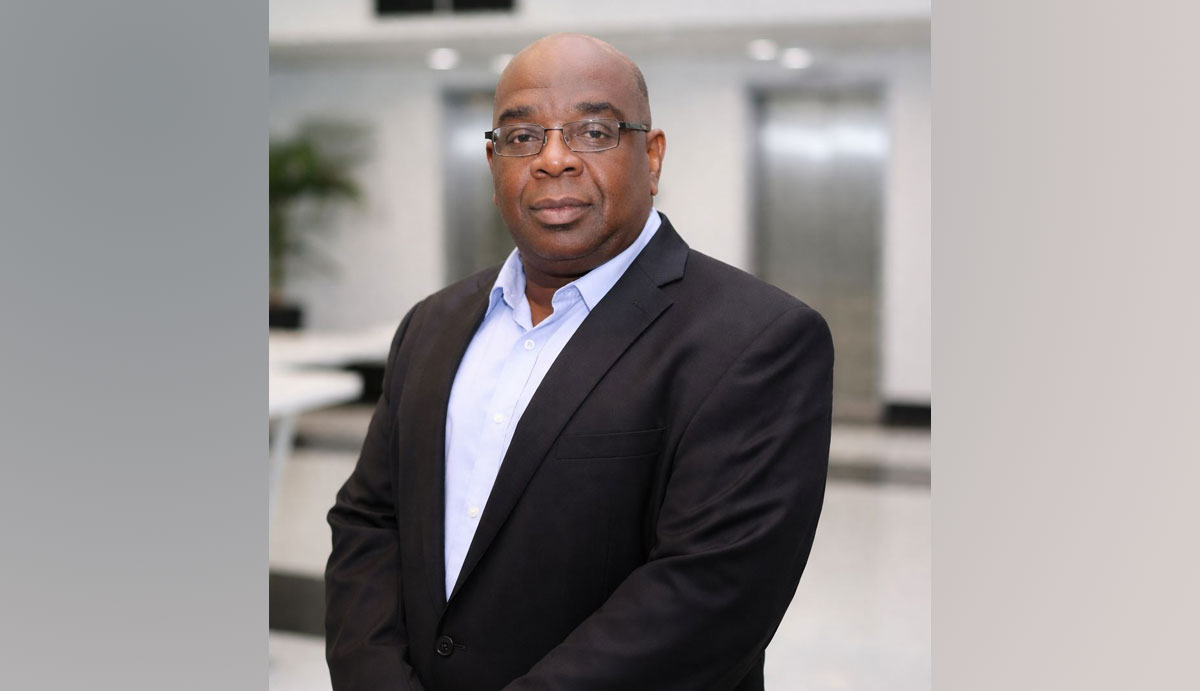
15 Apr Interview with Mr. Eugene H. Profijt, Chief Executive Officer, Traymore NV (Moengo Port)
Traymore NV acquired the former bauxite dock at Moengo in 2004, transforming a long-dormant industrial asset into an operational, internationally compliant commercial port serving Suriname’s resource economy. What were the original strategic motivations behind acquiring Moengo Port and how has the port’s legacy as a former bauxite hub influenced its redevelopment and long-term positioning?
When we purchased this port, Suriname had only one main port — Nieuwe Haven. I believed the country needed another strategic location, even though future development was still uncertain. For large projects and economic growth, a port is essential, since ocean freight is far more efficient and cost-effective than road or air transport.
Under your leadership, Moengo Port was rehabilitated and reopened in 2008, achieving ISPS certification and re-entering regional trade as a functional logistics and fuel-handling hub. What were the most critical challenges in converting a dormant industrial dock into a fully operational, compliant commercial port? How central has international compliance particularly ISPS standards been in building credibility with partners, clients and regulators?
Our first major client was Newmont, one of the world’s leading gold mining companies. Working with a multinational of that scale required us to meet strict international compliance standards. The first step was obtaining certification through URS in London. We also had to train our personnel to operate the port properly, a process that took time.
Although we opened in 2008, we became fully operational only in 2010 because of these preparations. It was a significant investment. Transitioning from a mining port to an international port required meeting global standards, particularly ISPS certification. This is essential when receiving vessels from the U.S. and Europe. Without it, operations are simply not possible. Achieving international compliance was critical in building credibility with partners and clients.
How would you describe the port’s current operational profile in terms of capacity, cargo mix and strategic role within Suriname’s logistics chain? Are there ongoing or planned infrastructure upgrades such as storage, handling equipment or berth improvements?
There is still room to grow the port. We are only about 30 minutes from the French Guiana border and once the new ferry is fully operational, trade between Suriname and French Guiana should increase. We believe Moengo can play an important role by handling container cargo for French Guiana, offering a faster and more cost-effective alternative. The region also has significant natural resources — including timber, bauxite, kaolin and silica sand — all of which require port access for export. This creates strong opportunities for growth in collaboration with other stakeholders.
We are planning to extend our dock and berth to accommodate larger vessels. We also intend to build a new, larger warehouse to support future demand, particularly from fuel, oil and mining companies. While we already have a warehouse, we have decided to invest in expanded storage capacity as part of the port’s development.
Located along the Cottica River in the Marowijne district, the port occupies a strategic position within Suriname’s commodity belt, serving inland economic zones. How does Moengo Port’s geography shape its value proposition for mining, energy, and forestry operators?
Moengo is located near several natural resources, close to the port. Our role is not to develop these projects ourselves, but to facilitate exports. Companies no longer need to transport goods all the way to the capital — they can ship directly from Moengo. Future development will require collaboration. It must be a joint effort with other stakeholders, including strong support from the government. Traymore cannot do it alone.
How do you view the role of Moengo Port in supporting local employment, vocational capacity and broader regional economic development? In what ways do education initiatives and community engagement factor into the company’s long-term sustainability strategy?
Most of our employees are local residents. Together with other stakeholders, we support education in the community by providing training and recognizing top students each year with laptops. We believe education and skills development are essential for long-term success. Rather than bringing workers from the city, we focus on creating opportunities locally and giving back to the community. Companies like Newmont are also contributing through training programs. Educational initiatives are a key part of our long-term sustainability strategy.
As Suriname seeks deeper integration into regional and global trade networks, ports like Moengo are gaining strategic relevance beyond their immediate cargo volumes. How do international partnerships and foreign investment factor into Traymore’s growth strategy and what is your vision for the future of the company and sector?
To accelerate growth, it is important to build alliances with foreign investors and international companies that can bring both financing and expertise. These projects require significant investment. Being located just 30 minutes from French Guiana — a European market — creates strong opportunities. We are open to joint ventures with international partners, as collaboration can significantly shorten development timelines. It becomes a win-win situation for everyone involved.
In the future at the end of your tenure, how would you envision the legacy you leave behind, and what lasting impact would you hope to have made?
It was an abandoned place and the legacy I hope to leave is transforming it into what it is today. Even when I am no longer involved, I hope those who follow will continue to build on this growth. After Alcoa (Aluminum Company of America) left Marowijne, the transformation was not easy — but it was important to do something for the region.
We are a compliance-driven company and have worked for many years with Newmont, a trusted multinational partner. Our compliance record speaks for itself, which is especially important in today’s global environment. Suriname is open and welcoming to foreign investors and we believe in partnerships built on mutual benefit. There is significant room for growth and opportunity. However, political stability is essential. Investors need a safe and secure business environment — that is absolutely key.
No Comments