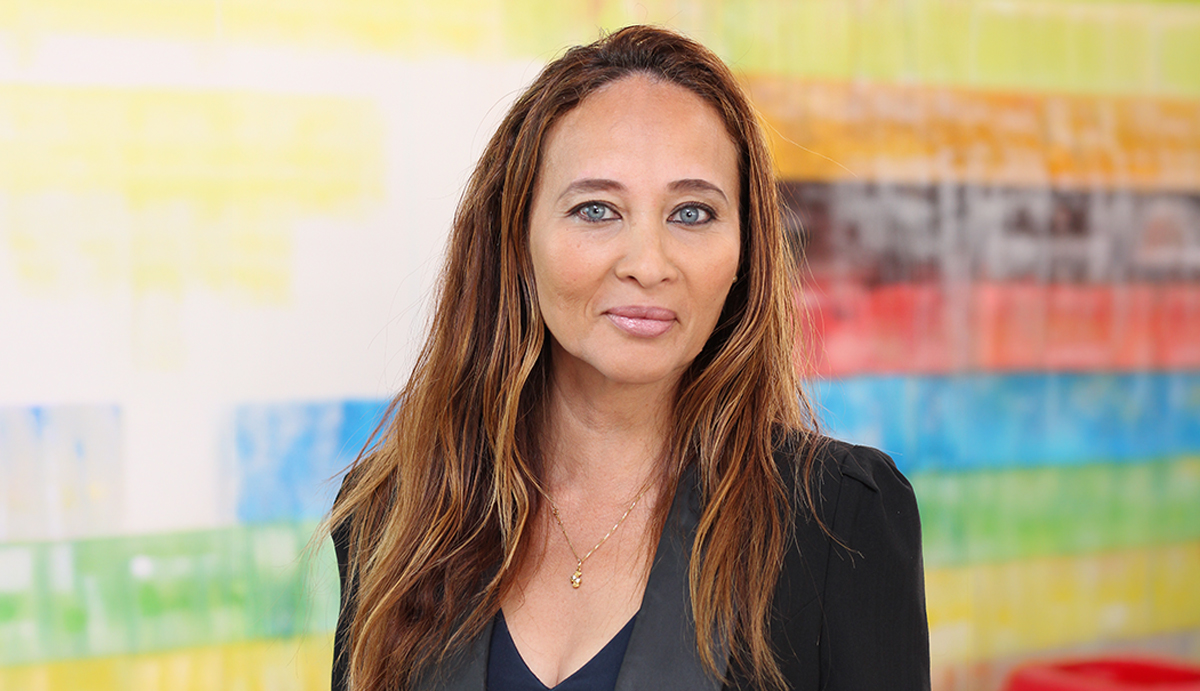
01 Jul Interview with Ms. Gail Meyer, CEO of Meyer Management Consulting (MMC)
Meyer Management Consulting (MMC) positions itself as a bridge between local opportunities and international markets. Could you provide an overview of MMC’s core mission, structure and the key services you offer to companies seeking to establish or expand operations in Suriname?
For Meyer Management Consulting, it is very important to connect global ambition with local opportunity. Our goal is to guide international companies that want to do business in Suriname, ensuring it is done the right way and creates value for both sides. Suriname is a unique market. Doing business here may seem easy at first, but it is actually complex due to the country’s highly diverse cultural environment. There is no single way of doing business, so understanding the local context is essential. That is where we come in.
Our services include strategic guidance, market entry support, matchmaking, company registration and expansion strategies. We provide a one-stop consultancy service to help companies integrate smoothly into the market. We also help investors navigate both the formal and informal aspects of doing business, minimizing risks that foreign companies often face when entering a new market.
Integrity and compliance are central to our approach. We ensure that everything is done transparently and according to the proper procedures, helping businesses establish a strong and trustworthy presence in Suriname. Before 2024, my work was mainly focused on projects, project management and internal strategies. With the upcoming oil and gas boom, however, the focus has shifted toward international standards and cooperation. Today, I look at the bigger picture, working not only with local companies but also with international partners.
Through Entrepreneurship Paramaribo and our network, we collaborate with many clients in the Netherlands, as well as companies from Brazil, the UK, the United States and Colombia. As a result, we are already working with a growing number of international partners entering the market.
How do you assess the current business climate and what should international investors understand about both the opportunities and practical challenges of entering the Surinamese market?
There are many opportunities for international companies in Suriname. However, our regulatory framework is still developing and that creates risks. It can be easy for some companies to bypass procedures, make quick profits and leave. We must ensure that business is done in a compliant and ethical way. International investors need to understand that Suriname is still a developing country, and building strong systems takes time. Both sides — local and international partners — must be accountable.
As Surinamese companies, we also have a responsibility to uphold standards and ensure transparency. This oil boom should not be about short-term gains, but about building sustainable growth across multiple sectors. If we want this opportunity to succeed, we must do things the right way. We already have important legislation, such as the Petroleum Act, but it is essential that businesses understand and respect it. For many years, the sector was led mainly by the national oil company Staatsolie Maatschappij Suriname, but now the entire country is becoming involved. That means we must collectively strengthen the regulations, adapt them where needed and most importantly, follow them.
You support clients with market entry strategies, corporate structuring and expansion planning. What are the most common obstacles foreign companies encounter and how does MMC help them navigate regulatory, operational, and partnership complexities?
One of the main challenges is the bureaucratic complexity. Many regulations are still being developed and administrative processes can be slow. Companies often need to submit multiple forms, notarizations and legalizations — sometimes for documents that are not truly necessary. We need to take a closer look at what is actually required for companies to operate and whether those requirements align with international standards.
Today, procedures such as certifications, banking, tax registration and VAT compliance can be overwhelming because the different institutions do not interface with each other. As a result, companies are often asked to submit the same documents repeatedly to different authorities. A more integrated and streamlined system would make a significant difference. If documentation could be submitted once and shared across institutions, the process would become much more efficient. Improving this administrative framework requires a critical and objective review so that Suriname can create a more practical and business-friendly environment. If we want true e-government, we must first become digitally capable. Many processes are still paper-based, with stamps, signatures and multiple steps for even simple documents. This creates unnecessary delays, costs and environmental impact. We need greater digital education and investment within the government so that more services can move online.
In countries like the Netherlands, most government services are fully digital and people rarely need to visit an office in person. Change will take time, but we have to start somewhere. Progress requires continuity and accountability because restarting policies with every new government slows development. We need to build on what already exists and move forward in a consistent and critical way.
MMC has recently collaborated with institutions such as the Netherlands Enterprise Agency and the Embassy of the Netherlands in Suriname on ecosystem-building initiatives. How do these partnerships contribute to strengthening Suriname’s entrepreneurial environment and international positioning?
At MMC, we value strong partnerships. We work closely with Entrepreneur House Paramaribo who on their part collaborate with organizations such as Netherlands Enterprise Agency to support young entrepreneurs. Together, we run a one-year program aimed at strengthening the startup ecosystem. Through eight sessions held throughout the year, we provide training and guidance to help young entrepreneurs address real business challenges and grow their ventures. The sessions cover practical topics such as project management, finance, marketing, mental health and AI. The goal is to equip startups with the knowledge and tools they need to develop sustainably.
The Embassy of the Kingdom of the Netherlands in Suriname is also involved, supporting the initiative and helping encourage further collaboration. We hope this program will continue to grow and create more opportunities for young entrepreneurs in the years ahead. Together with Entrepreneur House Paramaribo, we also organize trade missions. In June, we will host a trade mission from the Netherlands, bringing Dutch companies to Suriname to explore business opportunities and connect with local partners. I have also been invited to participate in a business fair in Colombia on behalf of Meyer Management Consulting. The objective is similar: to introduce Colombian companies to the Surinamese market and support them with information and proper onboarding.
Language and cultural barriers can make market entry more challenging for companies from non-Dutch-speaking countries. By building these partnerships, we aim to make it easier for international businesses to understand the market and identify opportunities. In addition, we collaborate with the Local Content Alliance Suriname, which brings together private sector companies to strengthen cooperation, promote knowledge transfer and ensure that local businesses benefit from large international projects.
As a strategic advisory firm, MMC integrates regulatory guidance, financial structuring and operational setup into a one-stop consultancy model. How does this integrated approach differentiate MMC from traditional consulting firms operating in the region?
We aim to offer a complete solution for companies entering Suriname. While we cannot provide every service ourselves, we work with trusted partners to cover the full process — from work permits and trust services to directorship support. This means companies do not need to coordinate with multiple providers. Instead, they can work through one central point, while we manage the process together with our partners. Many firms in the market specialize in a single area, such as legal or tax services. Our approach is different: we focus on the entire market-entry journey, coordinating the necessary expertise through our network to provide a true one-stop solution.
What are MMC’s strategic priorities for the coming years and how do you see the firm evolving to support large-scale projects and increased foreign investment?
We are seeing significant growth and interest from international companies wanting to do business in Suriname. To scale up and handle larger projects, strategic partnerships are essential and this is something we actively pursue. In the past six months, we have assisted many incoming companies, helping them set up offices, labs and production facilities. These collaborations are already creating tangible results. Scaling effectively requires collaboration and passion. Investment funds are also reaching out, looking for projects to support, which highlights the importance of connecting investors with opportunities. Our focus is on growing responsibly and creating meaningful partnerships.
What is your final message for Foreign Policy readers?
Suriname is currently a very sound investment. The country is still developing and geopolitically independent, which makes it an attractive opportunity. I hope more investors discover Suriname but in a way that supports sustainable and ethical business practices. Having lived here for many years, I see Suriname as a hidden treasure — beautiful, unique and full of potential. My goal is to encourage business growth while maintaining the environment and integrity of the country.
No Comments